
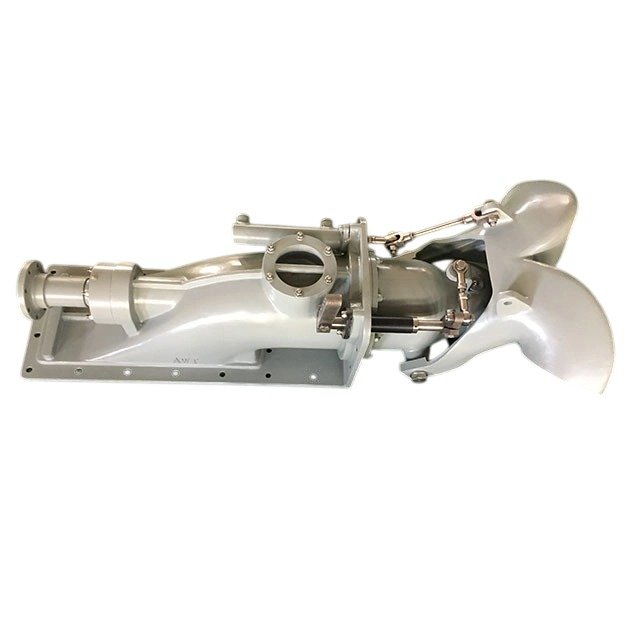
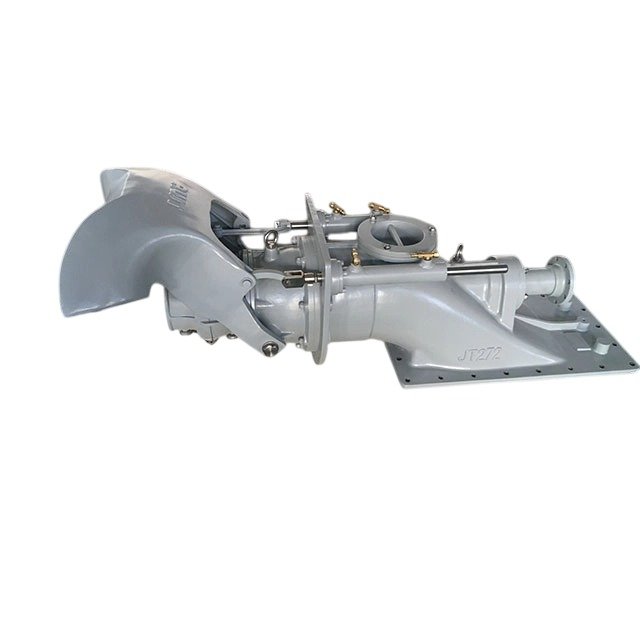
Water jet propulsion systems have gained widespread adoption in high-speed vessels, ferries, and military boats due to their superior maneuverability, shallow-water capability, and enhanced safety compared to traditional propeller systems. However, not all water jet propulsion systems are created equal. Understanding the core parameters that impact performance, fuel efficiency, and maintenance requirements is essential for making an informed purchase decision. This article outlines five key parameters that buyers must evaluate before investing in a water jet propulsion system.

Five Key Parameters for Selecting a Water Jet Propulsion System
Thrust capacity determines the system’s ability to propel a vessel effectively.Insufficient thrust can lead to poor acceleration and lower top speeds,affecting overall performance.
Key Considerations
- Choose a system with a power-to-thrust ratio suitable for the vessel’s size,weight,and operational speed.
- Consider engine compatibility—the propulsion pump must match the power output of the marine engine to prevent underperformance.
- Analyze flow rate(m³/s)and pressure output to ensure the system can generate the required thrust efficiently.
Higher propulsion efficiency translates to lower fuel consumption and reduced operational costs.An inefficient system will waste energy,leading to unnecessary expenses.
Key Considerations
- Look for a system with optimized hydrodynamics to minimize energy loss.
- Consider Computational Fluid Dynamics(CFD)-designed impellers and nozzles for better flow efficiency.
- Check the specific fuel consumption(SFC)rate—lower SFC values indicate higher fuel efficiency.
A poorly designed intake can lead to air entrainment,cavitation,and reduced propulsion effectiveness.Cavitation can cause damage to impellers,excessive noise,and performance degradation.
Key Considerations
- Opt for an intake design that minimizes turbulence and maximizes smooth water flow.
- Choose systems with anti-cavitation impellers to reduce damage and improve longevity.
- Ensure the intake grate design prevents clogging from debris,especially for operations in shallow or debris-prone waters.
Water jet propulsion systems operate in harsh marine environments,making material selection crucial for long-term durability and minimal maintenance.
Key Considerations
- Prefer marine-grade stainless steel,titanium,or reinforced composite materials to resist corrosion and wear.
- Look for protective coatings that extend the lifespan of impellers and pump casings.
- Consider self-lubricating bearings and seals that reduce friction and extend maintenance intervals.
Advanced control systems improve vessel handling,allowing for precise speed adjustments,dynamic thrust vectoring,and better fuel efficiency.
Key Considerations
- Opt for electronically controlled steering and thrust vectoring to enhance maneuverability.
- Choose systems with integrated monitoring and diagnostics to detect faults early and improve maintenance planning.
- Consider variable nozzle technology that allows real-time adjustments to improve performance across different speeds.
 Conclusion
Choosing the right water jet propulsion system requires careful evaluation of thrust capacity, efficiency, intake design, material durability, and control systems. By considering these five key parameters, vessel operators can select a propulsion system that meets performance requirements, reduces fuel costs, and ensures long-term reliability. As technology advances, integrating AI-driven control systems and advanced materials will further enhance water jet propulsion efficiency and durability.


