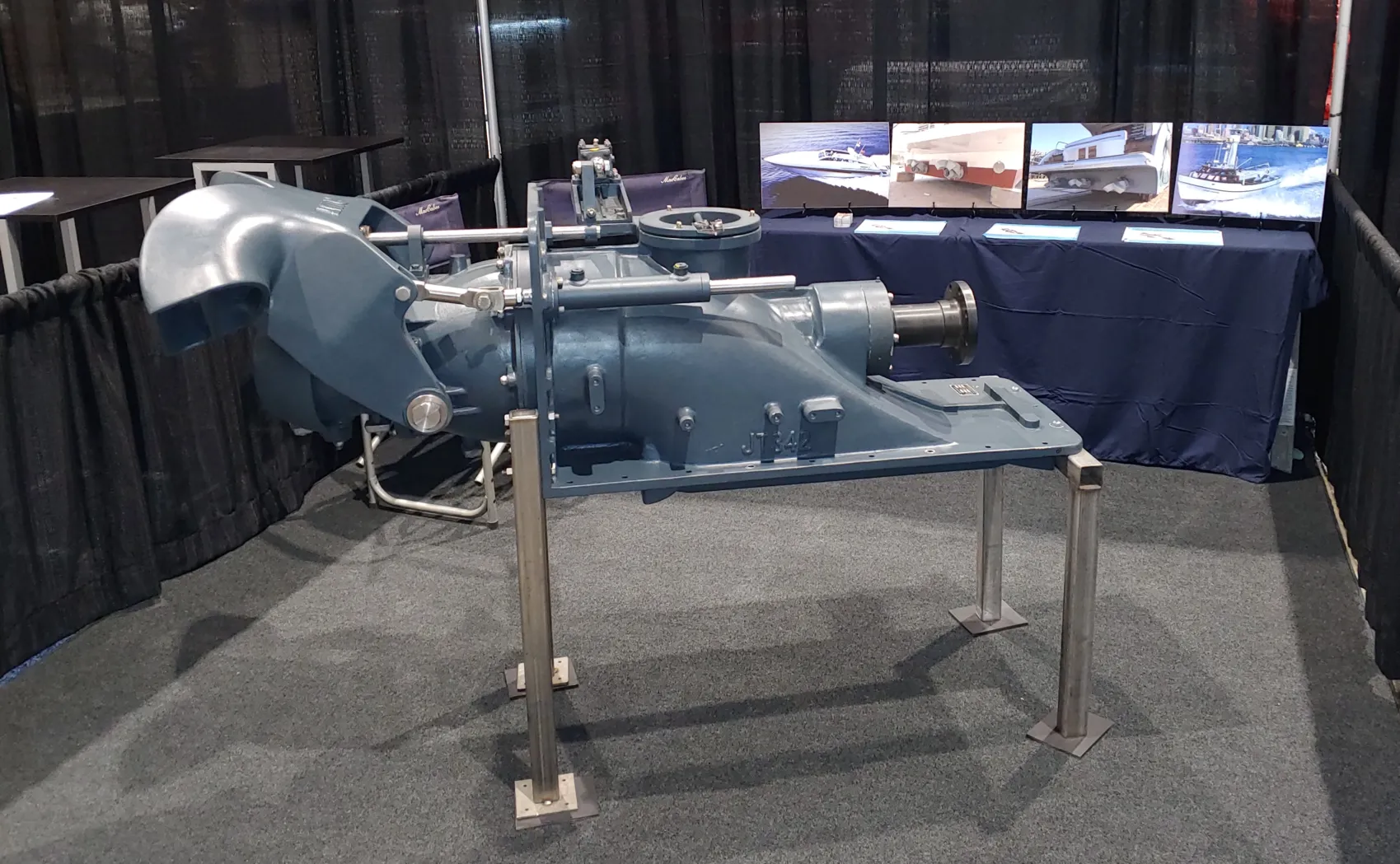
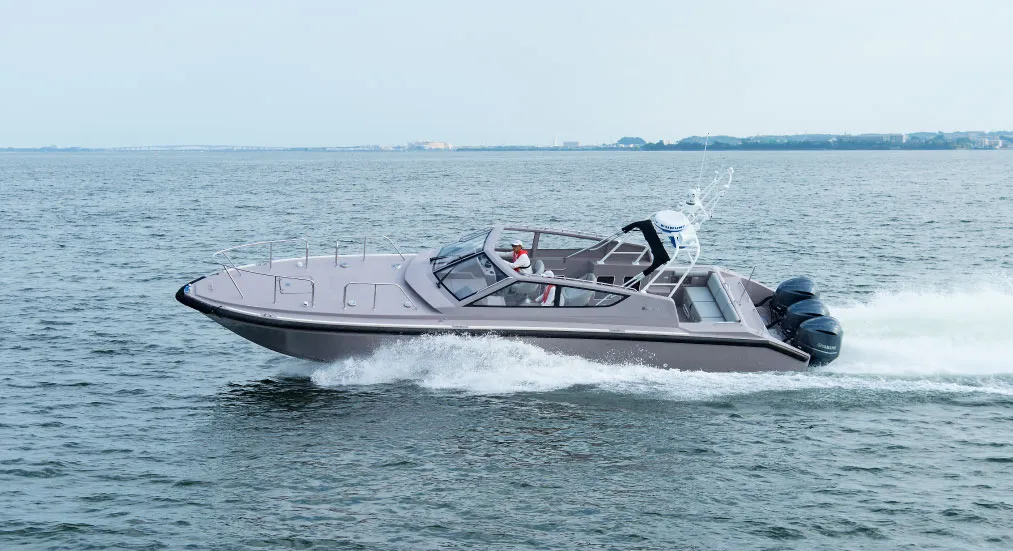
High-speed vessels require propulsion systems that provide sufficient thrust while maintaining maneuverability and fuel efficiency. Compared to traditional propellers, water jet propulsion offers advantages such as compact structure and adaptability to various operating conditions. However, performance limitations such as energy loss, noise, and complex maintenance must be addressed. Optimizing water jet propulsion systems is essential for enhancing vessel performance and operational efficiency.
Key Optimization Strategies
Improving Pump Design
- Utilizing hydrodynamically optimized impellers to reduce water flow losses and enhance efficiency.
- Designing pump casings and diffusers tailored for high-speed vessels to optimize water flow paths.
- Using Computational Fluid Dynamics (CFD) simulations to analyze and optimize fluid flow, minimizing turbulence and energy dissipation.
Advanced Material Applications
- Implementing high-strength composite materials to reduce pump weight and increase vessel speed.
- Applying anti-corrosion and wear-resistant coatings to minimize seawater-induced damage and extend service life.
- Exploring nano-coating technologies to reduce water resistance and improve propulsion efficiency.
Smart Control & Automation
- Variable nozzle technology: Adjusting the nozzle angle dynamically based on speed to enhance fuel efficiency.
- Real-time monitoring systems: Analyzing propulsion system performance and predicting potential failures to reduce maintenance costs.
- Automated power distribution: Utilizing AI-driven algorithms to adjust propulsion power according to load conditions for optimal energy efficiency.
Reducing Cavitation and Noise
- Low-noise impeller designs: To mitigate cavitation effects and enhance stability.
- Optimized intake shapes: To minimize turbulence and ensure smoother water flow.
- Soundproof materials and noise reduction enclosures: To lower operational noise levels, improving onboard comfort.

Conclusion & Future Prospects
Optimizing water jet propulsion systems for high-speed vessels is a crucial step toward improving maritime efficiency. By enhancing pump design, integrating advanced materials, implementing smart control mechanisms, and reducing noise and cavitation, these systems can achieve higher efficiency and lower maintenance costs. With ongoing advancements in artificial intelligence, automation, and materials science, water jet propulsion technology will continue to evolve, offering a more efficient and sustainable solution for the marine industry.